
Uncategorized
Nova Minerals’ Alaska permits advance antimony supply pathway


Alaska’s Department of Natural Resources has approved Nova Minerals’ Plan of Operations and Reclamation Plan for its integrated antimony development, the company announced on 27 October 2026. The approvals complete Phase 1 permitting, authorizing construction and operating activities for an initial three-year term across a pathway connecting mining and concentration at the Estelle Project with downstream processing and refining at Port Mackenzie.
Nova is targeting initial production in 2027. Phase 1 is backed by a US$43.4 million U.S. Department of War award intended to establish domestic capacity for military-grade antimony trisulphide. With permitting complete, the next milestone is construction and development, followed by commissioning.
A linked mine-to-refinery development
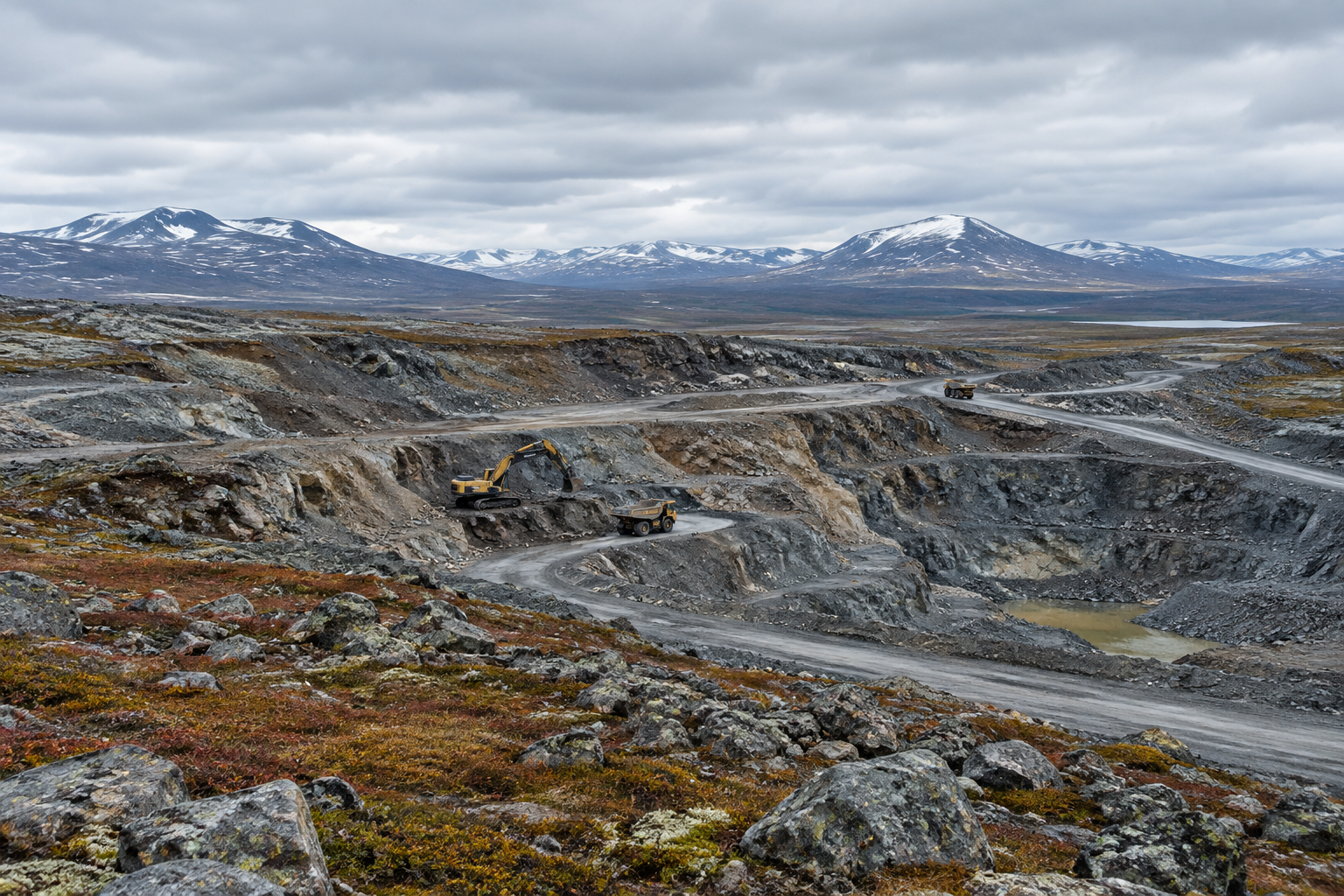
The Alaska project comprises several distinct operating stages. Stibnite, an antimony-bearing mineral, is to be mined at the Styx and Stibium prospects. Ore sorting and processing are authorized at the Whiskey Bravo concentration site within Nova’s broader Estelle Project. Further processing and refining are planned at Port Mackenzie.
This structure matters because extraction alone would not deliver either of the project’s intended finished products. Concentration prepares the mined material for downstream treatment, while the planned processing route is designed to produce military-grade antimony trisulphide and standard Grade II antimony metal at more than 99.65% purity. The chemical product and the metal are distinct products, making the downstream facilities central to the proposed supply chain.
Nova previously secured a land-use permit covering 42.81 acres of commercially and industrially zoned land near Port Mackenzie for the refinery area. That permit supports site use; the latest approvals advance the construction and operating permissions for the integrated development.
The company said it obtained the required permits approximately three months after submission. Continued activity beyond the initial three-year authorization would require applicable extensions, renewals or additional approvals.
What the federal award funds
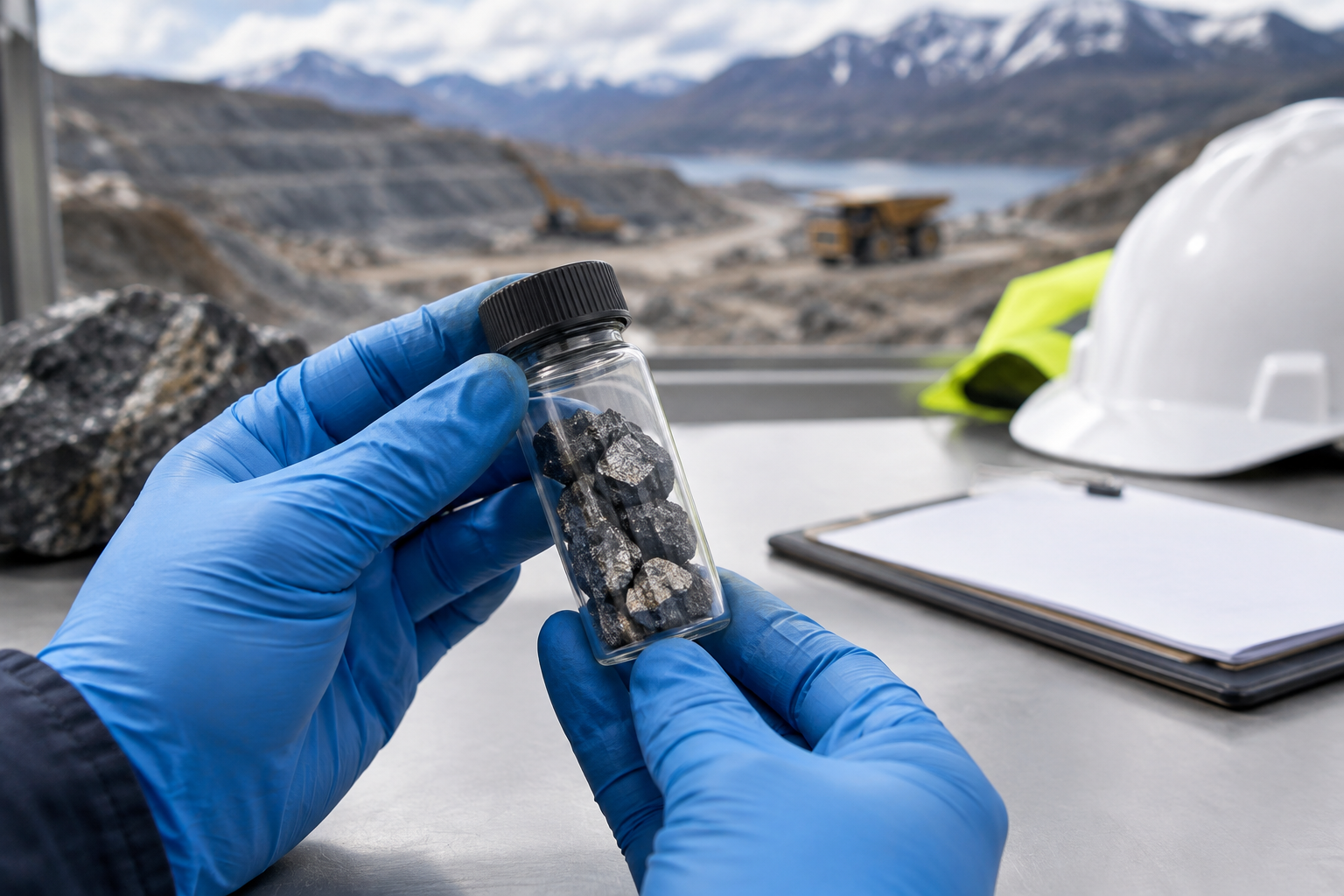
Nova describes Phase 1 as fully funded through the US$43.4 million Department of War award, equivalent to approximately A$62 million in company reporting. The award supports development of U.S. production capacity for military-grade antimony trisulphide.
The funding designation applies to Phase 1, rather than subsequent expansions or every future operating requirement. The award supports capacity development; it does not establish a government commitment to purchase Nova’s future output. Alaska’s operating approvals and the Port Mackenzie land-use permit likewise authorize project activities, not federal procurement.
The two planned products give the project a more specific industrial purpose than an undifferentiated increase in antimony supply. Its supply-chain contribution will depend on the quantities of trisulphide and metal ultimately produced and their ability to meet the intended specifications. The award amount alone provides no basis for quantifying that contribution.
Construction is the next test of the 2027 target
Nova said process-plant engineering and metallurgical testwork were complete before the final approvals announcement. Major long-lead mining and processing equipment had also been procured and delivered. Those preparatory steps support construction, but equipment still needs to be installed and the facilities commissioned.
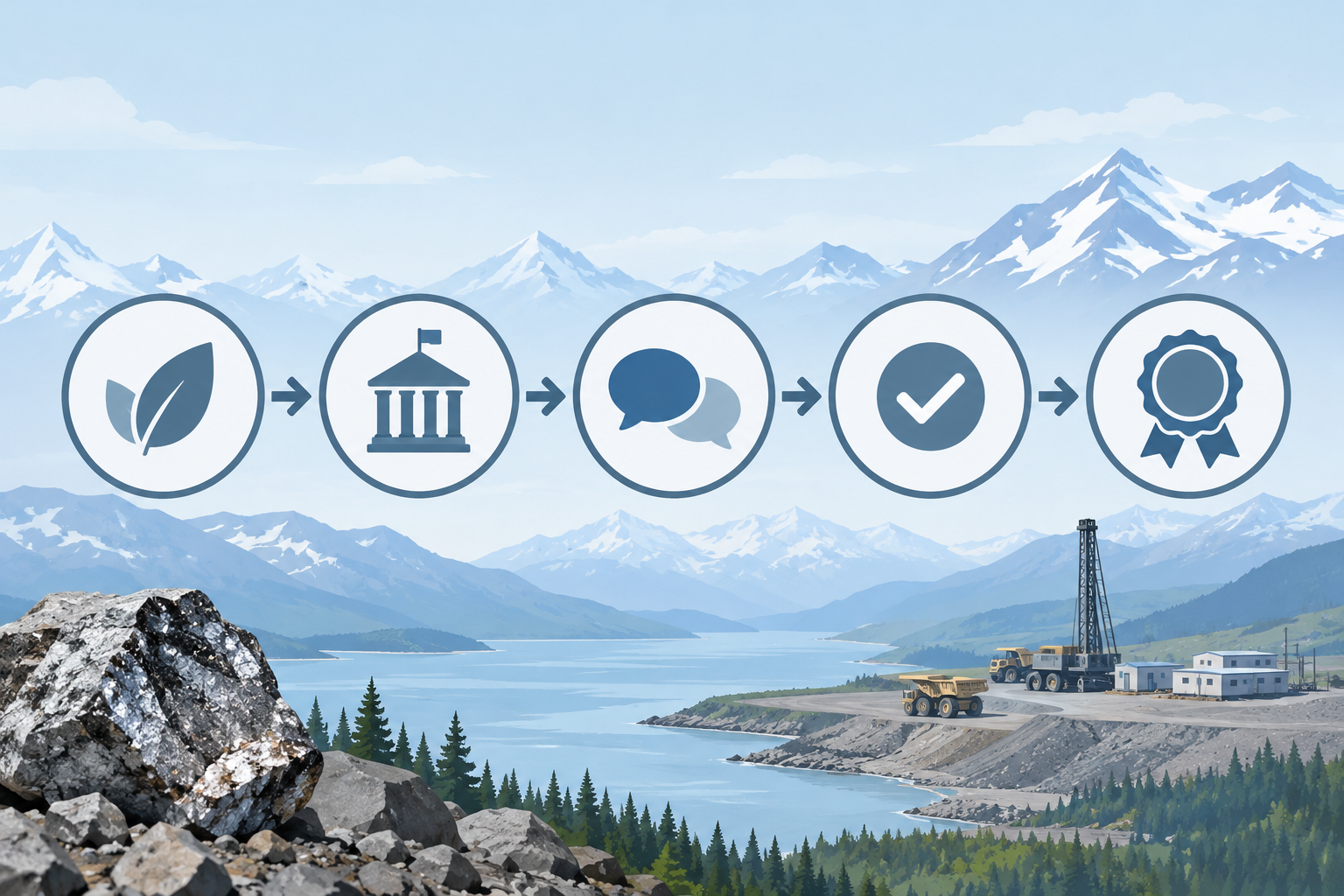
Execution requires the mining, concentration and downstream facilities to function as a connected production system. Commissioning must translate the designed processing route into operating performance and material meeting the stated product specifications. Progress at an individual site will therefore provide only part of the evidence needed to assess readiness for initial production.
The approvals authorize development and operations; they do not establish commercial production, sustained throughput or shipments. For the U.S. antimony supply chain, the next substantive evidence will be construction progress and commissioning of the linked facilities, followed by production of the two intended products against Nova’s 2027 target.
