
Data Brief
Weekly dispatch #3: smuggling crackdowns, customs data, and transshipment routes


Executive summary: Belgian enforcement and customs data from late‑2025 through early‑2026 indicate a material shift in how rare earths (REEs), antimony, cobalt and precious metals move into the EU. Coordinated EPPO operations, FATF findings and national legal changes have exposed transshipment routes through Antwerp and Liège that have been used to evade export controls and traceability rules.
- New fact: Customs and enforcement data show a 27% surge in undeclared REE and antimony shipments routed through Antwerp and Liège in Q4 2025, and EPPO‑led seizures totaling 14.2 metric tons of smuggled material.
- Why it matters: Belgium’s hubs were being used to relabel and reexport strategic metals, creating hidden flows into EU supply chains for batteries, defense magnets and catalysts-raising lead‑time and compliance friction for processors and OEMs.
- Immediate risk: Expansion of Belgium’s Criminal Code (effective April 2026, six‑month transition) increases corporate liability for smuggling with amplified penalties and professional bans; EPPO oversight tightens settlement flexibility.
- Signals to watch: EPPO case counts; Belgian customs HS‑code declarations (2601-2617); dwell‑time statistics at MPET terminal and Liège/Antwerp airports; FATF follow‑up on Belgium’s AML effectiveness.
What changed
Belgian authorities, coordinated with the European Public Prosecutor’s Office (EPPO) and highlighted by FATF commentary, stepped up enforcement in 2025-26 against transshipment schemes disguising REEs, antimony, cobalt and precious metals. Official customs reporting flagged a 34% increase in “metal ores and scrap” transshipment declarations in H2 2025, while targeted EPPO operations reported 79 active investigations in Belgium by December 2025, 47 of which involved cross‑border strategic metals.
Parallel policy action enlarged corporate criminal liability from April 2026 with a six‑month transition; the change raises monetary penalties and professional restrictions tied to smuggling convictions, with EPPO asserting tighter oversight on settlements and asset recovery.
How supply chains are affected
Operationally, the crackdown has increased inspections and dwell times at Antwerp’s MPET terminal and Liège Airport, with customs data showing inspection‑driven dwell times doubling to roughly 72 hours at some terminals. Those frictions translate into added lead‑time (estimates in sourced reporting: 7-14 days on high‑risk cargoes) and higher due‑diligence costs for consignments routed via Belgium.
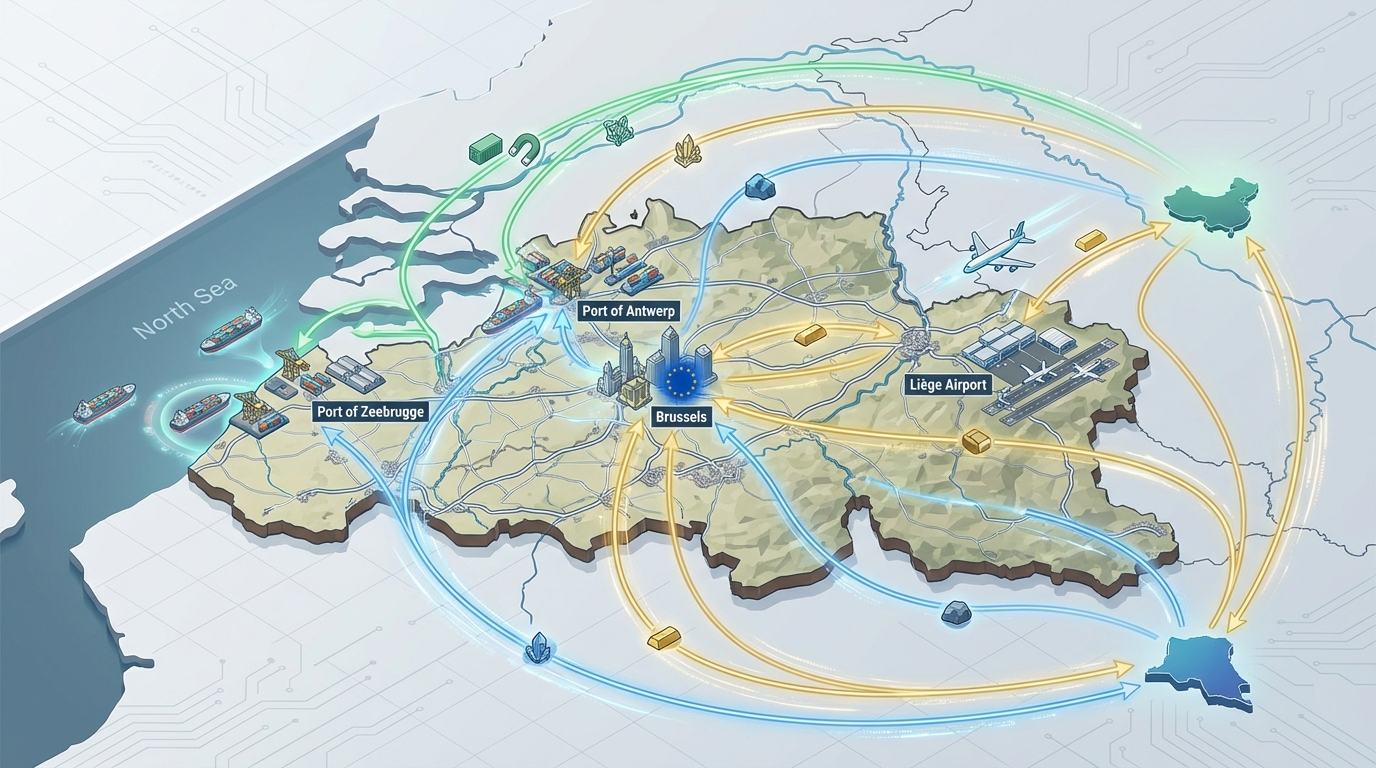
Specific flows exposed include relabeling of Chinese antimony and REE magnet scrap through bonded warehouses in Antwerp, air‑cargo concealment via Liège and gold/silver bundles transiting alongside REEs and diamonds. Reported seizures include 4.7 MT in November 2025 misdeclared as lead, and Q1 2026 figures showing 1.2 MT of undeclared gold via Brussels Airport tied to sanctions‑evasion channels.
Market and operational implications
Processors and downstream users face a short‑term reduction in effective throughput of Belgium‑routed material: reported impacts include production interruptions at Hoboken recycling and refinery sites and flagged consignments at large storage facilities. For recyclers, contamination from smuggled magnet scrap prompted temporary shutdowns and certification backlogs. For battery chains, diverted or intercepted cobalt flows increased traceability exposures ahead of EU CBAM and other emissions/traceability regimes.
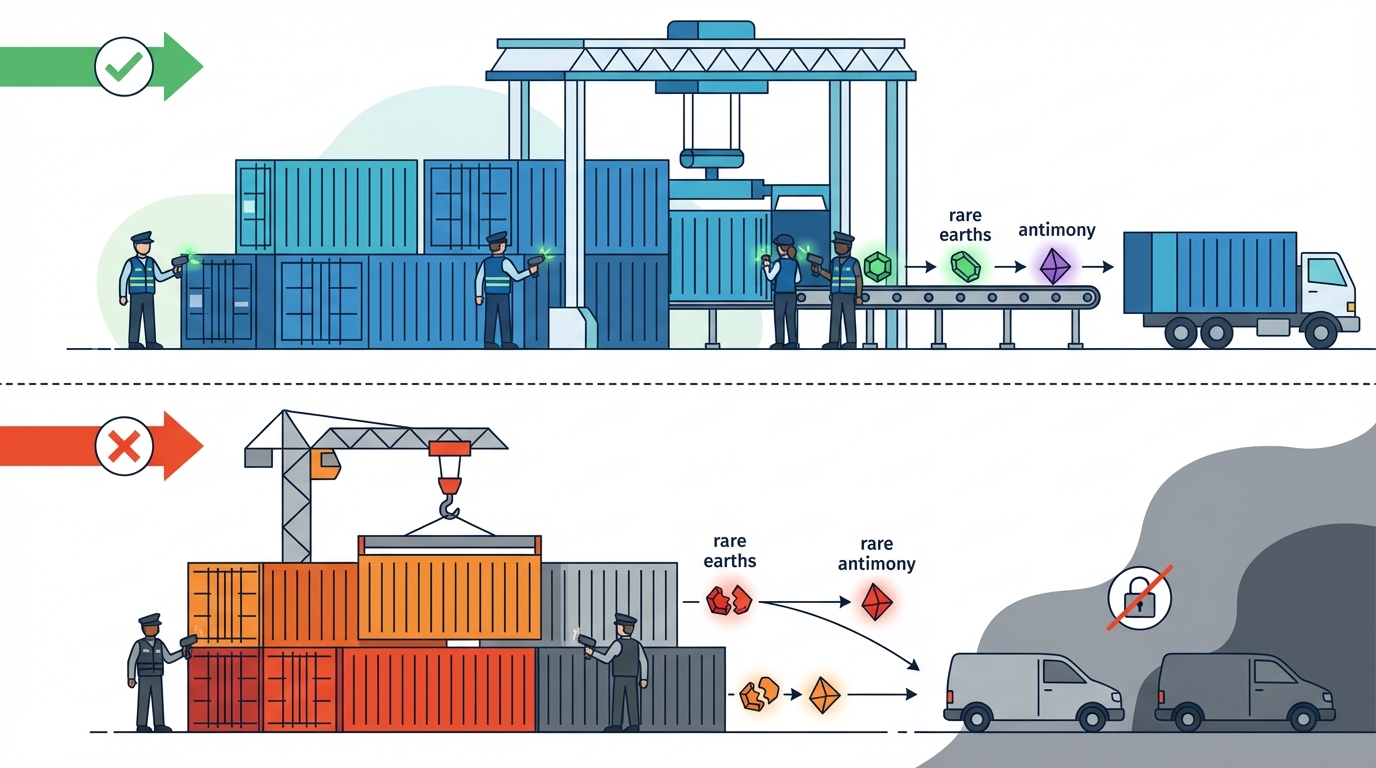
Tradeoffs are visible: rerouting via Dutch or German ports reduces seizure risk but increases logistics costs and lead times; remaining through Belgian hubs now carries higher compliance scrutiny, potential criminal exposure under the 2026 code, and a greater likelihood of regulatory holds under EPPO investigations.
Compliance, enforcement and geopolitical notes
FATF evaluations highlighted Belgium’s resource constraints in AML enforcement that previously allowed commodity‑linked laundering networks to exploit diamond and metals channels. China’s export controls on antimony and rare earths intensified circumvention attempts, and official statements from China in late‑2025 noted concern about foreign circumvention. EPPO’s cross‑border remit increases the legal and reputational stakes for logistics providers and end‑users associated with Belgian transshipments.
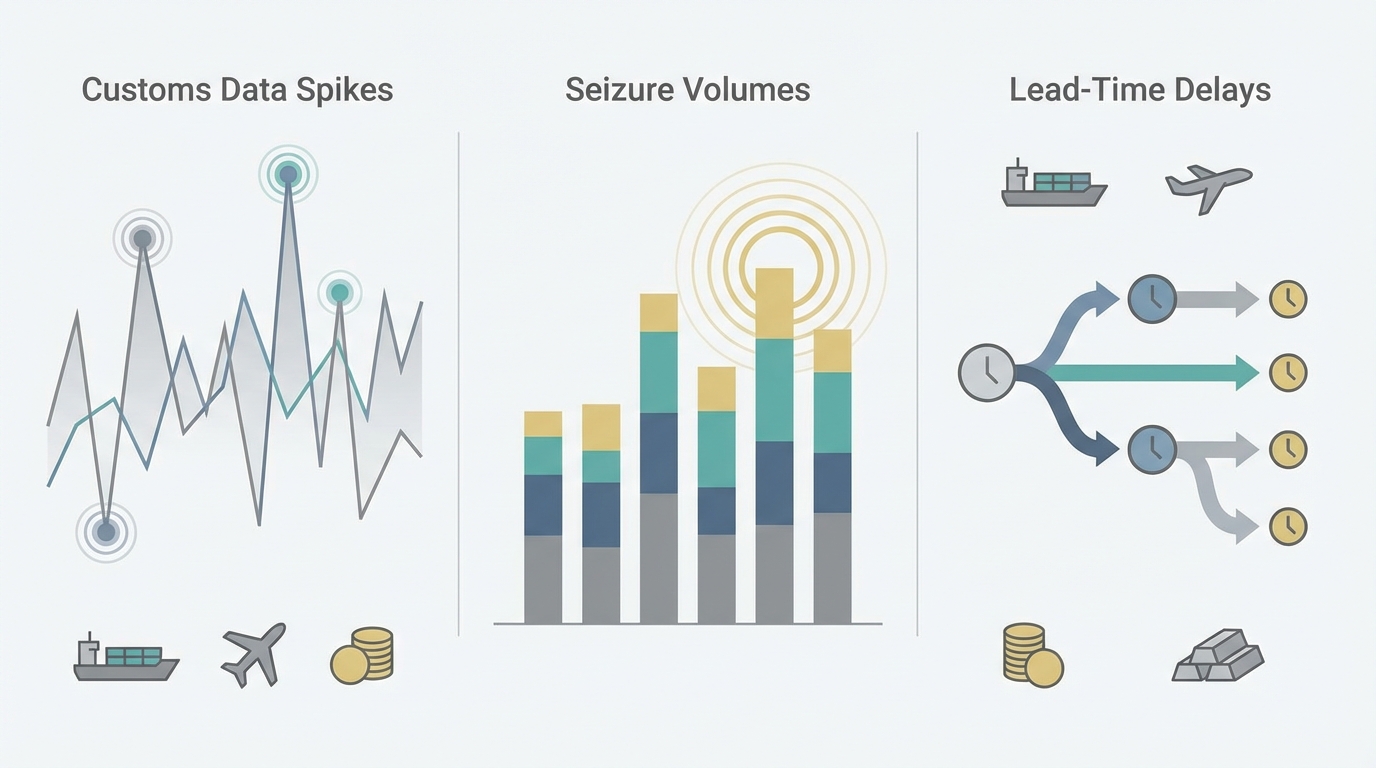
Signals to monitor
- EPPO case filings and seizure reports tied to Antwerp/Liège.
- Belgian customs HS‑code statistics for 2601–2617 and airport transshipment volumes.
- Dwell‑time metrics at MPET terminal and Liège/Antwerp cargo facilities.
- FATF follow‑up on Belgium’s AML effectiveness and resource allocations.
- Implementation details and enforcement guidance under the April 2026 Criminal Code amendments and the six‑month transition period.
Materials Dispatch Signal: The Belgium crackdown signals a structural tightening of EU transshipment controls for strategic metals. Short‑term frictions are translating into lead‑time and compliance premiums for Belgian routes; medium‑term effects will depend on enforcement resource allocation, EPPO case outcomes and whether alternative ports scale capacity to absorb rerouted flows. The pattern indicates elevated legal exposure for logistics firms and a higher bar for traceability certification across REE, antimony and cobalt supply chains.
Sources referenced in this synthesis include EPPO operational notices, Belgian customs and port authority reports, FATF evaluations, and industry operational disclosures from key processors and traders active in Antwerp and Liège (public summaries and sector reporting from 2025–2026).


